
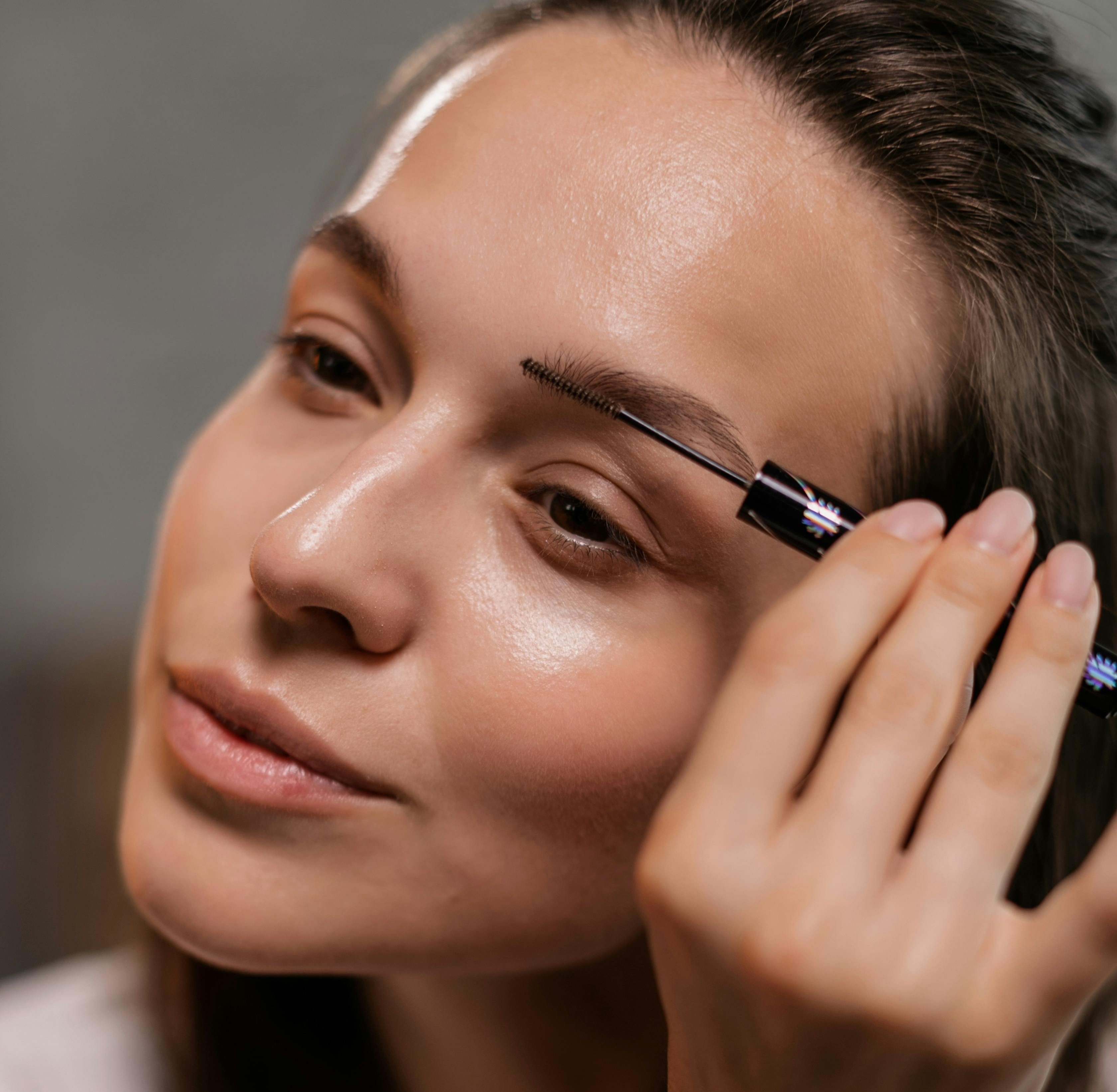
For decades, the distinction between professional salon treatments and at-home beauty routines was a fortified line. High-stakes procedures like lash perming, brow lamination, and semi-permanent tattooing were strictly the domain of licensed professionals wielding industrial-strength chemicals. However, as we navigate through 2026, that boundary has effectively dissolved. Driven by a “tweakment” culture that favors subtle, long-term enhancements over dramatic transformations, the beauty industry is witnessing a massive migration of salon-grade technology into the domestic bathroom vanity.
The numbers tell a compelling story of an industry in flux. The global eyelash enhancer market, valued at $3.25 billion in 2024, is projected to grow to over $5 billion by 2032, fueled by a 5.8% CAGR and a surging consumer appetite for at-home lash-lifting kits and conditioning serums1. Similarly, the eyebrow cosmetics sector is seeing a shift toward “treatment-first” products, where the goal is no longer just to fill in gaps but to foster actual hair health. This movement is not just about convenience; it is an economic and psychological shift toward “Your Brows but Better” results that prioritize natural design and lasting longevity.
The Nano Brow Influence on Daily Cosmetics

The most significant catalyst for the current brow revolution is the rise of #NanoBrows. Unlike traditional microblading, which uses a manual blade to create hair-like strokes, Nano-brows utilize a single-needle machine to deposit pigment with hyper-realistic precision. This professional “tweakment” has set a new aesthetic standard: ultra-fine, crisp lines that mimic the natural flow of hair without the blurred “blockiness” associated with older tattooing methods.
In 2026, makeup brands are reverse-engineering the Nano-brow aesthetic into daily-wear products. We are seeing a surge in ultra-fine-tip brow pens with diameters as small as 0.01mm, allowing consumers to replicate the look of professional needle-work at a fraction of the cost. These products often feature “long-wear tint” technology—formulations that stain the skin for 24 to 48 hours, bridging the gap between a daily pencil and a multi-year tattoo. Industry experts note that 68% of frequent salon-goers now supplement their professional brow services with these high-precision at-home tools to maintain “fresh from the chair” results between appointments2.
Table 1: The Transition from Professional Service to Home Routine
| Professional Service | At-Home “Salon Grade” Alternative | Key 2026 Technology |
|---|---|---|
| Nano-Brows (Machine Tattoo) | Ultra-fine Tint Pens | Skin-staining pigments & 0.01mm precision tips. |
| Brow Lamination | Strong-hold “Lamination” Gels | Water-resistant polymers with flexible, non-stiff hold. |
| Lash Lifting (Perming) | Korean-style Lifting Kits | Cysteamine-based formulas (gentler than thioglycolic acid). |
| Lash Extensions | DIY Bond-and-Seal Clusters | Micro-band technology for 7-day wearable weightless sets. |
| Micro-needling (Growth) | Electronic Serum Infusers | Vibrating applicator heads to increase blood flow and absorption. |
Lash Health as the New Standard for Luxury

While the previous decade was defined by “Extension Addiction”—a cycle of heavy synthetic lashes that often compromised natural hair follicles—2026 is the year of #LashCare. Consumers are increasingly wary of the damage caused by heavy glues and improper extension removal. This has led to a booming “Lash Rehabilitation” market, where the focus is on strengthening the natural lash cycle through targeted conditioning and gentle “lifts.”
The “Korean Lash Lift” has become the gold standard for this aesthetic. Unlike traditional Western perms that can leave lashes looking frizzy or over-processed, the Korean method emphasizes a soft, rounded curl and intensive nourishment. This “treatment-led” approach is now available in at-home formats. Modern home lash-lift kits in 2026 utilize cysteamine—a gentler alternative to traditional perming agents—and are infused with keratin and silk proteins to treat the hair while it is being reshaped. Market research indicates that the demand for “clean” and “nourishing” lash products has grown by 14% year-over-year, as users move toward “protective” rather than “performative” beauty3.
Furthermore, the 2026 “Lash Care” movement has transformed mascara from a simple pigment into a growth-promoting serum. The most successful products on the market today are dual-purpose: they provide immediate length and volume through tubing technology while simultaneously delivering peptides and biotin to the root. This “two-birds-one-stone” philosophy appeals to the busy professional who no longer has the time for a multi-step routine but refuses to compromise on long-term hair health.
The Rise of Treatment Led Cosmetics
One of the most notable strategies for 2026 is the integration of “targeted conditioning” into color cosmetics. We are seeing a new category of “hybrid brows” and “active lashes” where the makeup itself acts as a vehicle for medical-grade ingredients. For instance, brow gels are no longer just clear adhesives; they are formulated with Saw Palmetto to block DHT (a hormone associated with hair thinning) and Red Clover extract to anchor the hair at the follicle.
This “Functional Beauty” trend is a direct result of the “Skinification” of the entire beauty routine. Just as consumers expect their foundation to contain SPF and Hyaluronic Acid, they now expect their brow pencil to contain peptides. This shift has forced brands to innovate their ingredient lists, moving away from simple waxes and clays toward “biocompatible” complexes that support the skin’s natural healing process post-professional treatment. This is particularly relevant for the “Aftercare” market; products designed specifically to be used after a Nano-brow or Lash Lift session are seeing record growth, as they ensure the longevity of the salon investment while soothing the skin.
Table 2: Top “Salon Grade” Ingredients for Home Brow and Lash Care
| Ingredient Category | Common Example | Function in 2026 Formulations |
|---|---|---|
| Growth Peptides | Myristoyl Pentapeptide-17 | Significantly increases lash density and length within 4-6 weeks. |
| Hair Anchoring | Capixyl | Reduces hair loss in brows and lashes by inhibiting follicle miniaturization. |
| Structural Repair | Hydrolyzed Keratin | Reinforces the hair shaft after chemical lifting or tinting. |
| Moisture Binding | Panthenol (Pro-Vitamin B5) | Improves hair elasticity and prevents brittleness/breakage. |
| Scalp/Skin Health | Centella Asiatica (Cica) | Soothes the delicate eye area post-lamination or tattoo healing. |
The Economics of At Home Salon Alternatives

Beyond the aesthetic and health benefits, the shift toward at-home professional-grade care is driven by a recalibration of consumer spending. In an era of economic fluctuation, committing to $150 brow appointments and $200 lash refills every four weeks has become a luxury that many are choosing to moderate. By investing in a high-quality, $60 at-home lash-lifting system or a $40 precision brow-tinting pen, consumers can achieve 80-90% of the salon result for a fraction of the cost.
This “Smart Spending” doesn’t mean the death of the salon; rather, it has redefined the salon’s role. Professional services are now seen as the “architectural foundation”—the place where you go twice a year for the “Heavy Lifting” (like a permanent Nano-brow tattoo or a professional mapping). The home routine is where the “Maintenance” happens. This hybrid model has allowed the DIY lash and brow category to thrive, particularly among Gen Z and Millennial consumers who value both autonomy and fiscal responsibility. Reports show that 54% of consumers now feel confident performing “technical” beauty steps at home, provided they have access to educational content and high-quality tools4.
This autonomy is further supported by the rise of “Smart Tools.” In 2026, we are seeing the emergence of AI-powered brow mapping apps that use the smartphone camera to guide the user in real-time, telling them exactly where to apply their tint or pen for the most symmetrical result. This “Guided Beauty” reduces the barrier to entry for complex techniques, making “salon grade” results achievable for the average consumer.
Future Outlook: Personalization and Tech Integration
As we look toward the future of brow and lash care, the trend is moving toward hyper-personalization. We are already seeing the first generation of 3D-printed lash clusters tailored to an individual’s eye shape and “custom-blended” brow tints that are mixed via a digital skin-tone analysis. The “Salon at Home” is no longer a compromise; it is a personalized, high-tech experience that often rivals the precision of a human technician.
In conclusion, the rise of at-home salon-grade brow and lash care in 2026 represents a victory for consumer empowerment and technological innovation. By borrowing the precision of #NanoBrows and the gentle efficacy of the #KoreanLashLift, the beauty industry has created a new category of “Treatment Makeup” that honors the health of the hair while delivering the polished aesthetic of a professional service. Whether through the use of peptide-rich serums or ultra-fine precision pens, the modern consumer is now the master of their own “Tweakment,” proving that the best beauty results often happen right at home.